Where observation becomes memory and landscape becomes history
After a successful opening in Delhi, the exhibition Himalayan Encounters: Hidden Views from 170 Years Ago has now travelled to Dehradun, where the historic Schlagintweit drawings are being presented at the Doon Library & Research Centre (DLRC). This marks a significant continuation of a long-term initiative led by the PAHAR Foundation to reconnect the Himalayas with one of its earliest visual archives.
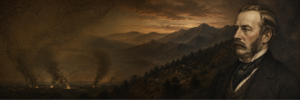
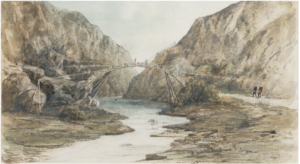
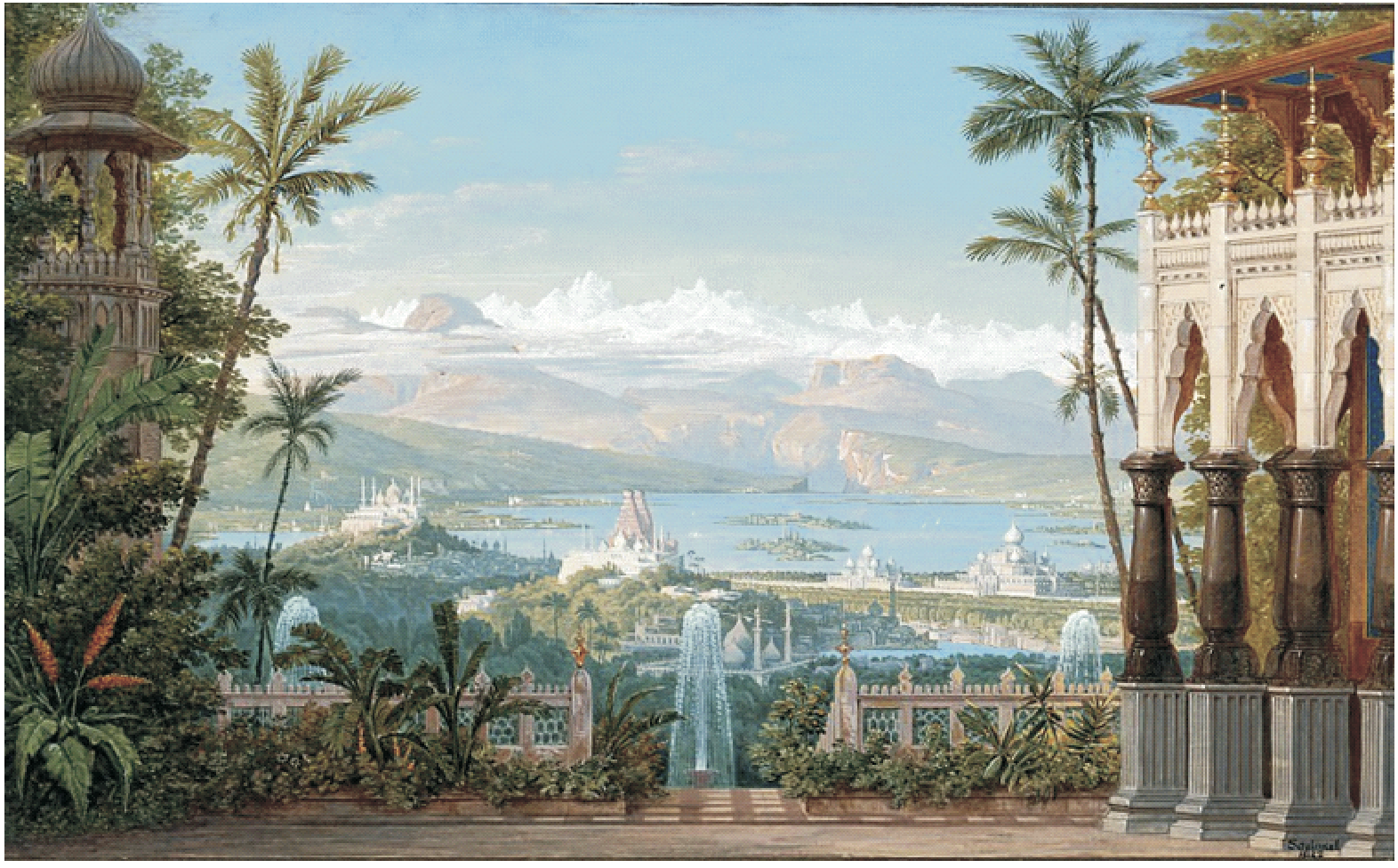
The exhibition, which will remain open until 8 May 2026, brings together a rare collection of 19th-century drawings created during the expeditions of the Schlagintweit brothers between 1854 and 1858. These works, rendered with scientific precision and artistic restraint, offer an unembellished view of the Himalaya—as a lived landscape shaped by movement, labour, settlement, and cultural exchange, rather than a distant romantic ideal.
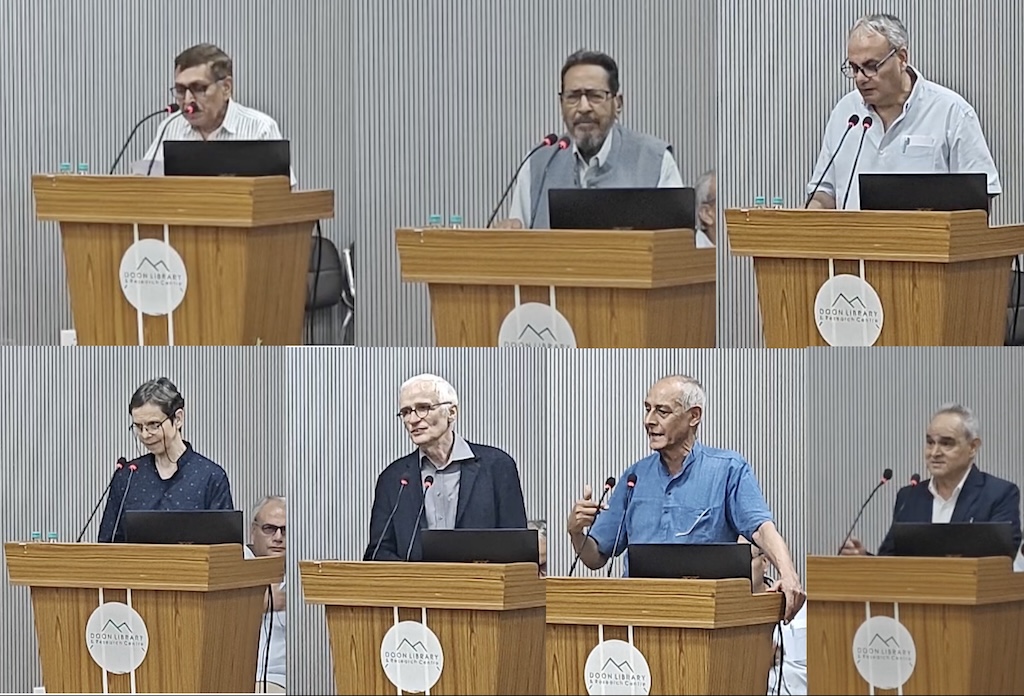
The programme was initiated by Chandrasekhar Tewari of the Doon Library & Research Centre (DLRC), who formally invited Dr Lokesh Ohri to conduct the proceedings. Dr Lokesh Ohri opened the session by inviting Prof. B.K. Joshi to deliver the welcome address.
Prof. B.K. Joshi welcomed the guests and expressed his deep sense of honour and pride in hosting the exhibition. He remarked that it was a moment of rare historical reflection, especially for him personally, as he was able to see the depiction of the Badrinath temple in the 170-year-old drawings with exceptional clarity. He noted that in the present day, due to extensive new construction in the surrounding area, the temple is no longer as distinctly visible from similar vantage points, making these historical visual records even more significant.
He further observed that it was remarkable how, as early as the mid-19th century, the Schlagintweit brothers had managed to document vast and diverse regions of the Himalaya—including Kashmir, Uttarakhand, Assam, Sikkim, and Tibet—at a time when travel conditions, instruments, and logistical support were extremely limited. Their work, he emphasized, stands as an extraordinary example of scientific dedication and visual documentation under demanding circumstances.
The inaugural programme on 1 May 2026 was anchored by Lokesh Ohri and featured a keynote lecture by Prof. Hermann Kreutzmann, who situated the Schlagintweit journeys within the intellectual traditions of early modern geography shaped by thinkers such as Alexander von Humboldt and Carl Ritter. He emphasised that the Himalaya entered European knowledge not merely through imagination but through systematic observation, noting that Uttarakhand—and particularly the Kumaon region—served as the initial ground for these explorations: a testing landscape from which broader trans-Himalayan journeys unfolded.
Prof. Shekhar Pathak, Managing Trustee of the PAHAR Foundation, elaborated on this layered history while reflecting on the decade-long effort required to bring these drawings back to the Himalaya. His address moved seamlessly across history, geography, and lived memory, underlining both the intellectual ambition and the human cost of early exploration.
A significant portion of his lecture was devoted to the remarkable story of Nain Singh Rawat, whose life, as Pathak emphasised, embodies the often-overlooked Indian contribution to Himalayan exploration. Beginning his journey under extremely modest and challenging circumstances, Nain Singh Rawat worked initially in supporting roles with European expeditions, including those of the Schlagintweit brothers. Yet, through extraordinary perseverance, intellectual sharpness, and field skills, he rose to become one of the most accomplished surveyors of the 19th century.
Pathak vividly recounted how Nain Singh Rawat undertook perilous journeys into Tibet—regions then closed to outsiders—often travelling in disguise as a monk. Carrying minimal instruments, sometimes hidden within everyday objects, he developed ingenious methods to measure distances and altitudes, including counting his steps with calibrated precision. His surveys of Lhasa and trans-Himalayan routes not only expanded geographical knowledge but also demonstrated a profound synthesis of local knowledge and scientific method.
In highlighting his story, Pathak drew attention to the collaborative and deeply human dimension of exploration. The achievements attributed to European explorers, he noted, were inseparable from the expertise of Indian surveyors, guides, and local communities. Figures like Nain Singh Rawat transformed exploration from an external gaze into a shared, though often unequal, enterprise. This recognition, he suggested, allows us to read the Schlagintweit drawings not merely as European records, but as layered documents shaped by multiple knowledge traditions.
He also reiterated that the Himalaya, as revealed through these journeys and drawings, should not be seen as a remote periphery, but as a dynamic centre—where cultures, political worlds, and systems of knowledge intersected and interacted over centuries.
The event was graced by Shri Sandeep Srivastava, Additional Surveyor General of India, as Guest of Honour, while Dr B.K. Joshi, Founder and Chairman of the Doon Library & Research Centre, presided over the function. The inaugural witnessed an enthusiastic response from Dehradun’s academic and civic community, with participation across generations—reflecting a deep and growing engagement with Himalayan history, exploration, and environmental thought.
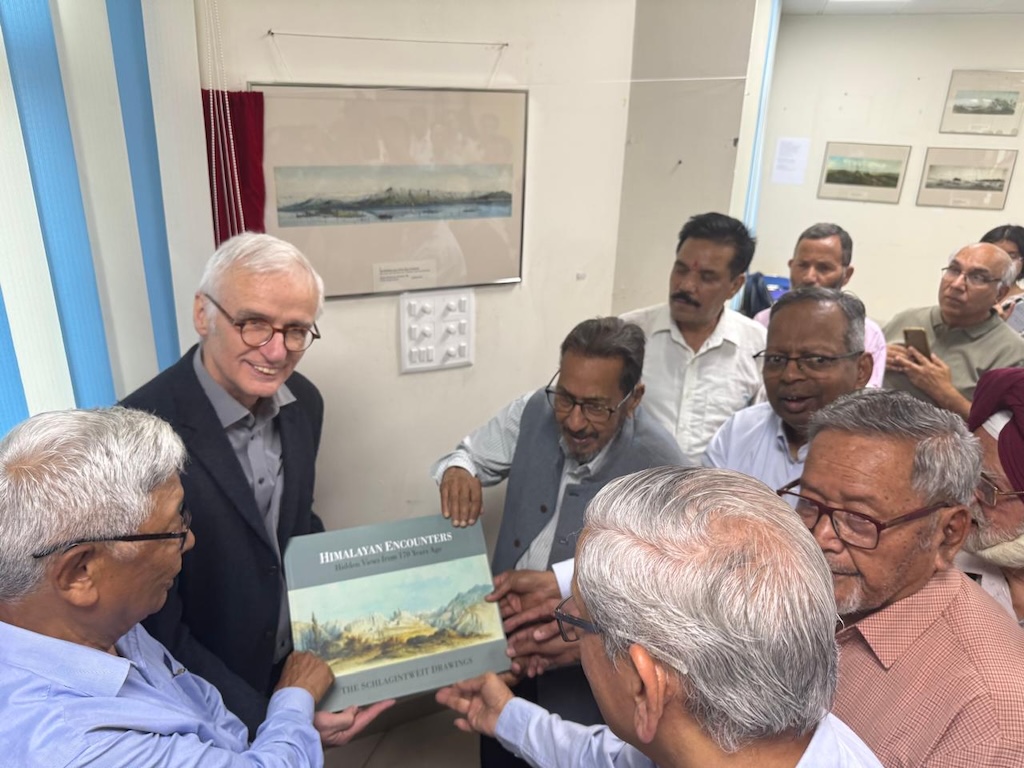
Curated through a sustained collaboration between PAHAR and leading German institutions, the exhibition reflects a rare confluence of archival preservation and contemporary interpretation. Institutions such as the Staatliche Graphische Sammlung München, the Bayerische Staatsbibliothek München, and the Alpines Museum München have played a crucial role in safeguarding and sharing these works. Their partnership has enabled the drawings—once part of distant collections—to return, meaningfully, to the landscapes that originally inspired them.
The Dehradun exhibition builds upon the earlier showing at the India International Centre, New Delhi, and is part of a larger travelling series that includes Nainital. Across these locations, the exhibition invites viewers to reconsider the Himalaya not as a static or mystical image, but as an evolving, inhabited, and contested space—echoing both the observational clarity of the Schlagintweits and the deeper sensibilities found in Pahari artistic traditions.
Acknowledgements
The project has also benefited from the guidance and commitment of scholars and curators such as Dr. Johannes Erichsen, Stephanie Kleidt, and Prof. Hermann Kreutzmann, along with Prof. Shekhar Pathak and the PAHAR team, whose efforts have been central to bringing this vision to fruition.
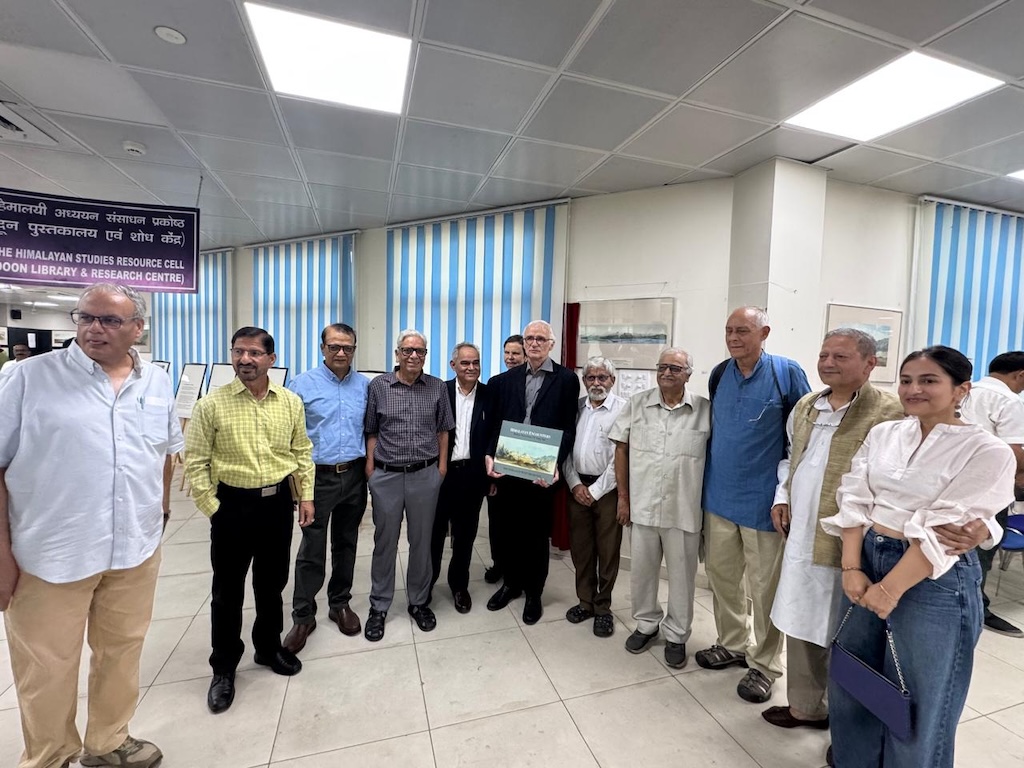
The organisers further acknowledge the role of cultural collaborators such as Valley of Words (VoW), the hosting support of the Doon Library & Research Centre, and the contributions of numerous individuals, volunteers, and institutions—both visible and behind the scenes—whose dedication made this exhibition possible.
Together, these collective efforts reaffirm that the Himalaya is not merely to be viewed, but to be understood—as history, as habitat, and as a shared responsibility.